
How Moondance Research Evaluates Risk
Explaining the method behind the research
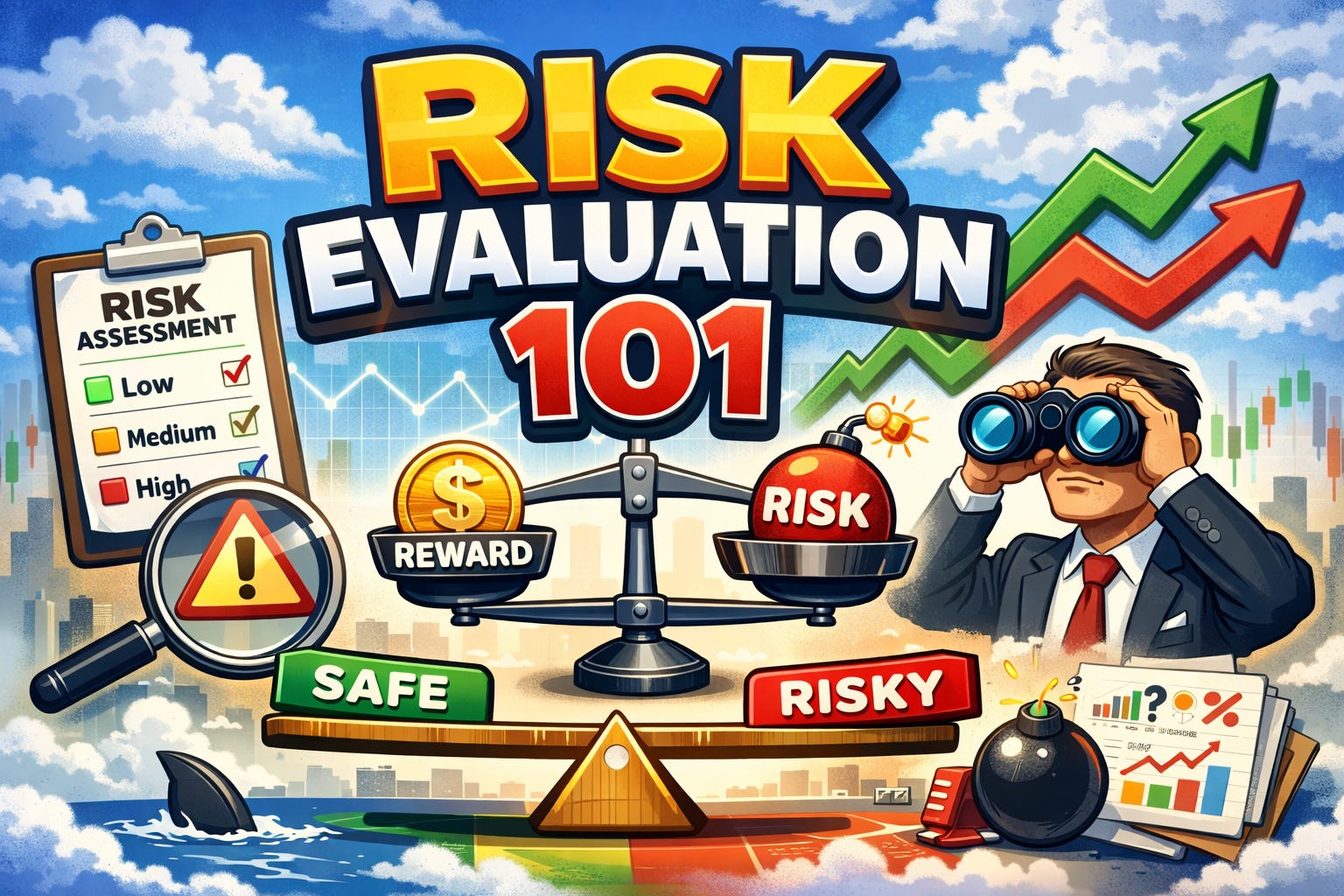
Most crypto writing starts with eyes on investment opportunity.
Moondance Research starts by asking why and how systems fail.
Not because crypto system failure is interesting (though it often is).
Because it is predictable.
For every crypto project or platform that has achieved some degree of “success,” many hundreds or thousands have failed.
This page explains how Moondance methodically thinks about risk and how our thinking informs our practical research/evaluations.
The First Question
What will break first?
Not in the whitepaper.
Under pressure.
With real users’ real money.
If you cannot answer that cleanly, nothing else matters.
Five Filters
1. Who gets hurt if this is misunderstood?
Good systems survive confusion.
Bad systems punish it.
If ordinary use/misuse leads to liquidation, loss, or slow bleed of user funds, that is not user error. That is structural design.
Example: Borrowing against volatile collateral where a 10% price drop triggers automatic liquidation. Users think they're "lending," but they're actually betting they can exit before the market moves.
2. What incentives are actually doing the work?
Ignore flashy dashboards. Ignore gaudy APRs.
Ask instead:
Who gets paid early?
Who bears downside quietly?
Who can easily leave when conditions change?
Incentive structures predict outcomes better than narratives.
Example: A protocol offers 50% APY in its own governance token. Early participants earn and sell. Late participants hold bags when the token price collapses. The yield wasn't real. It was a transfer from latecomers to early exiters.
3. Where will this fail under stress?
Most systems appear reasonable under calm market conditions.
It takes stress to reveal what needs to be known about structure and design.
Liquidity dries up. Governance freezes. Oracles wobble. Subsidies vanish.
Bank runs happen in crypto.
If a system needs perfect conditions to function, it was already broken at launch.
Example: A "stable" pool works fine until everyone tries to withdraw at once. Suddenly there's not enough liquidity to honor exits, and users who move slowly lose 20-40% trying to get out.
4. How will yield decay over time?
Time is the least discussed risk in crypto.
Yield compresses. Attention moves on. Governance centralizes. Complexity accumulates.
If a design assumes permanent user excitement, it is riskily borrowing future credibility from the present.
Example: A new protocol launches with 80% APY funded by token emissions. Six months later, the tokens are worth 70% less and user deposits have dried up. The nominal yield is still "80%," but the real return is deeply negative.
5. What is being left unsaid?
This is often the loudest signal.
Vague language. Missing downside scenarios. Deferred decisions. Hand-waved governance.
When something important is omitted, it is usually intentional.
Example: Documentation explains how to deposit and earn, but never mentions withdrawal delays, lockup periods, or what happens if the protocol's partner chain goes offline. The gaps tell you where the risk lives.
Our Defaults
These are not hot takes. They are starting assumptions for how the crypto universe functions.
Most yield is temporary or cosmetic
Some yield is real but fragile
User behavior determines outcome
Governance rarely has the muscle to fix structural flaws in design/code
Time will expose what incentives hide
We are skeptical first, curious second, and impressed last.
How to Read Moondance Research
My posts are not written to convince you to take any particular action.
I want to help you think clearly enough to decide when not to act.
If a post leaves you calmer, slower, or more selective, it worked.
If it makes something feel less urgent, that is not an accident.
What to Expect
Free posts go out Thursdays. Paid intelligence briefs go out Sundays.
This framework will inform upcoming posts on protocol sustainability, yield decay patterns, and governance failure modes.
Final Note
Moondance Research is not about being first at the table to feast on new yield “innovations.”
It’s about being able to say that I (and you) were wrong as seldom as possible when we look back.
If that matches your interest, you are in the right place.
If this analysis was useful, Moondance Research goes deeper.
I publish one paid piece each week focused on structural risk, capital protection, and honest yield literacy.
Paid subscribers receive the full archive, reference-grade frameworks, and downloadable artifacts designed to reduce the probability of getting financially wrecked.
Founding 100 subscribers receive permanent preferred pricing as recognition for supporting Moondance in its earliest phase.